How a Handful of Riders Turned a Muddy Riverbank Into a Thriving Trail System
It started the way most great things in cycling do — with a group of friends, a bad idea, and zero budget.
A few years back, a loose crew of mountain bikers in a mid-sized riverside city got tired of driving 45 minutes to find decent singletrack. They kept eyeing a neglected stretch of public land along the river — overgrown, underused, and frankly kind of sketchy — and started asking a question that would consume the next two-plus years of their lives: What if we just built something here?
Spoiler: they did. And the trail system they created now draws hundreds of riders on any given weekend, has become a cornerstone of local outdoor culture, and — maybe most importantly — gave their community a reason to care about that riverbank in the first place.
This is their story. More importantly, it's a roadmap for anyone else crazy enough to try.
Step One: Get Serious About the Vision (Before You Touch a Single Shovel)
The first mistake most aspiring trail builders make is jumping straight to the dirt. Don't. The planning phase is where projects like this live or die.
The group — which eventually formalized into a nonprofit called Friends of the River Corridor — spent their first several months doing what felt like the least exciting work imaginable: mapping the land, researching ownership, and attending city council meetings. But that groundwork was everything.
"We had to know exactly what we were working with before we could pitch anyone," says one of the founding members. "Who owns the land? Is it city, county, state, or private? Are there environmental protections? Floodplain issues? You need answers to all of that before you walk into any official's office."
For riverside land specifically, expect to deal with layers of jurisdiction. Army Corps of Engineers permits may be required near waterways. State environmental agencies often have a say in riparian zones. Local parks departments, city planning offices, and sometimes even private utility companies can all have a stake in what happens along a riverbank. Mapping out these relationships early — and approaching each stakeholder with respect and patience — is non-negotiable.
Building Political Will: It's Not Who You Know, It's Who You Convince
Here's the uncomfortable truth about grassroots trail advocacy: you're going to need politicians on your side. That doesn't mean you need to be a political insider. It means you need to show up, make your case, and make it repeatedly.
The Friends of the River Corridor started attending every parks and recreation committee meeting they could find. They brought printed maps. They brought photos of the neglected land. They brought neighbors who wanted safer recreational access. Over time, they built relationships with two city council members who became genuine champions for the project.
"City officials respond to constituents showing up consistently," one advocate noted. "One meeting doesn't move the needle. Twelve meetings over six months? That gets attention."
They also made a point of framing the trail not just as a cycling project, but as a community asset — one that would improve access to green space, boost adjacent property values, attract tourism, and provide a safe recreational outlet for families. Broadening the appeal beyond the mountain bike crowd was a strategic decision that paid off significantly when it came time to secure funding.
Fundraising Without Losing Your Mind
Building a trail system costs real money. Equipment, materials, liability insurance, signage, environmental studies — it adds up fast. The group pursued a multi-pronged approach that took about 18 months to fully materialize.
Grants first. Organizations like the International Mountain Bicycling Association (IMBA) and the Recreational Trails Program (a federal funding source administered through the Federal Highway Administration) exist specifically to support projects like this. State-level outdoor recreation grants are another avenue worth exploring. Writing grant applications is tedious, but a single successful grant can fund months of work.
Local business sponsorships. Bike shops, outdoor retailers, local breweries, and restaurants near the trail corridor all stand to benefit from increased foot and wheel traffic. Approach them with a clear sponsorship package that outlines the visibility they'll get in return.
Community fundraising. The group ran a crowdfunding campaign that raised over $18,000 in 60 days — not because they had a massive following, but because they told a compelling story and made it easy for people to share. A short video showing the potential of the land, narrated by local riders and families, drove most of the donations.
Environmental Stewardship: The Part That Actually Makes or Breaks You
Riverside environments are sensitive. Full stop. Any trail project near a waterway that ignores ecological impact won't just face regulatory pushback — it'll lose the moral high ground that makes community advocacy work.
The group brought in a certified trail builder with riparian zone experience and worked alongside local environmental organizations from the very beginning. They designed trails to minimize erosion, incorporated natural drainage solutions, avoided sensitive habitat areas, and actually improved water quality in certain sections by reducing unmanaged foot traffic that had been degrading the bank.
This wasn't just the right thing to do — it was strategically smart. Environmental groups that might have opposed the project became partners instead. That coalition made the permitting process dramatically smoother.
The Build: Sweat Equity and Volunteer Culture
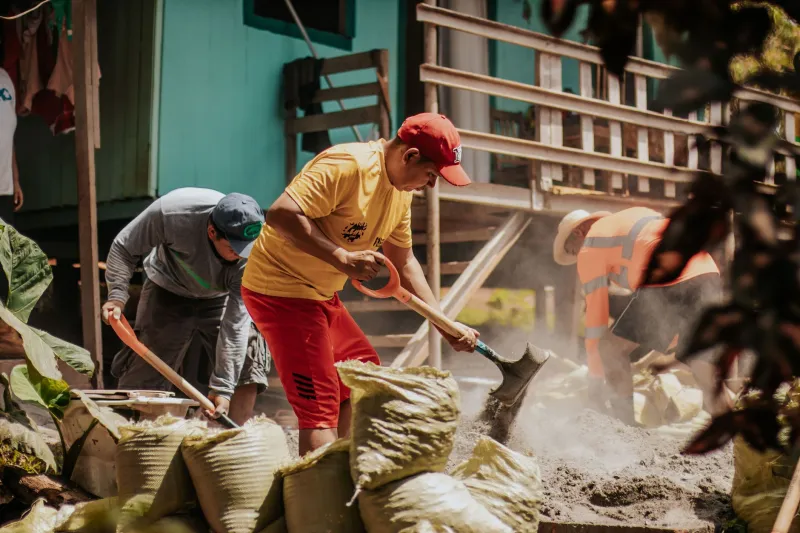
Once permits were secured and funding was in place, the actual construction began — and this is where the cycling community really shone. Volunteer trail days became a cultural event in their own right. Local riders showed up with tools, snacks, and an almost infectious enthusiasm for building something with their own hands.
They partnered with a professional trail crew for the technical work — machine grading, major drainage infrastructure — but the bulk of the hand-built singletrack was completed by volunteers over dozens of organized work days. Those sessions also became one of the most effective community-building tools the group had. People who sweat together over a trail tend to feel a deep ownership over it — and that ownership translates into long-term stewardship.
The Payoff: What a Trail Does for a Community
The ribbon-cutting ride was a packed affair. Hundreds of cyclists — from kids on their first mountain bikes to seasoned trail shredders — showed up to roll the new system together. Local media covered it. The mayor showed up (and actually rode a bike, which everyone appreciated).
But the real payoff came in the months that followed. Nearby businesses reported upticks in weekend traffic. The city began exploring extensions of the trail network. Families who'd never thought of that stretch of riverfront as a destination started showing up regularly. And the cycling community — once a scattered group of individuals driving long distances to ride — had a home.
Your Turn: Where to Start
If this story has you eyeing that neglected stretch of land near your local river, here's the condensed version of what you need to do:
- Research land ownership and jurisdiction before anything else.
- Form or join an advocacy organization — you need a legal entity to apply for grants and sign agreements.
- Build your coalition early — cyclists, environmentalists, neighbors, businesses.
- Show up to local government meetings — consistently and with data.
- Pursue multiple funding streams simultaneously.
- Hire professional expertise for environmental and technical trail design.
- Make volunteer days a community event — the culture you build during construction lasts.
Riverside land is some of the most valuable and underutilized recreational real estate in American cities. With the right approach, the right partners, and a willingness to play the long game, your community's version of this story is absolutely within reach.
Ride the river. Own the trail. Then build the next one.