Waterfront Wheels: How American Cities Are Turning Riverfronts Into World-Class Cycling Destinations
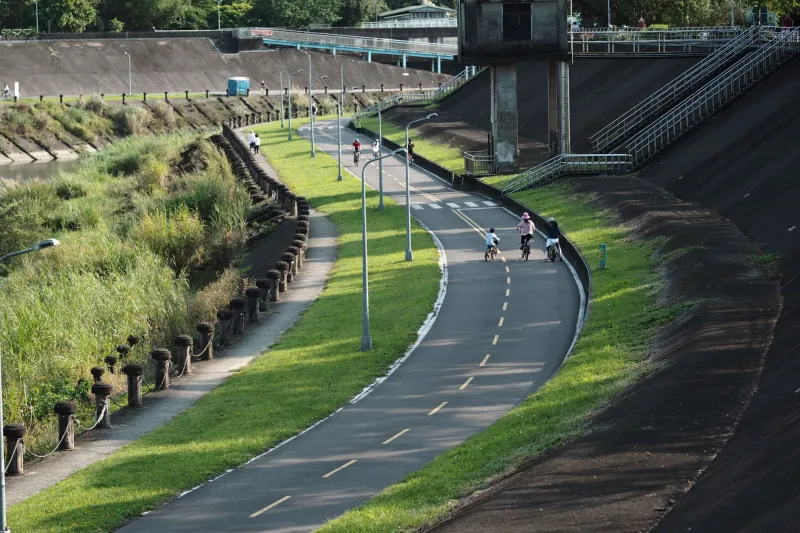
Not long ago, the strip of land wedged between a city's downtown core and its nearest river was mostly an afterthought — scrubby grass, crumbling industrial remnants, the occasional fishing spot. Today, those same corridors are being reimagined as some of the most dynamic cycling destinations in the country. Bike parks, flow trails, paved greenways, and pump tracks are popping up along riverbanks from Sacramento to Cincinnati, and the trend shows no signs of slowing down.
So what's driving this shift? And what does it take to actually pull off a world-class waterfront trail system? We dug into the details.
The Land Nobody Wanted — Until Now
Riverside land has historically been tricky to develop. Floodplain regulations, environmental sensitivities, and unpredictable soil conditions made it unattractive to traditional developers. But for trail builders and city recreation departments, those same quirks turned out to be features, not bugs.
"The land is often already publicly owned, which removes one of the biggest barriers to trail development," says one urban trail planner who has worked on projects in the Midwest and Pacific Northwest. "You're not fighting over acquisition costs or eminent domain. You're starting from a cleaner slate."
That public ownership factor has allowed cities to move faster and invest more ambitiously than they might on private land deals. And because the parcels are often long and linear — running parallel to the water — they're naturally suited for trail corridors that connect neighborhoods, parks, and downtown districts in one continuous route.
Engineering on the Edge
Building close to water is not without its headaches. Trail designers working in riverside environments have to account for seasonal flooding, erosion, unstable banks, and strict permitting requirements from agencies like the Army Corps of Engineers and state environmental departments.
The trick, experienced builders say, is designing with the river rather than against it. That means using permeable surfaces where possible, building elevated boardwalk sections in flood-prone zones, and choosing native plantings along trail edges that stabilize soil without disrupting local ecosystems.
In cities like Chattanooga, Tennessee — often cited as a model for riverfront trail development — planners used a combination of elevated trail sections and strategic grading to create a system that handles seasonal Tennessee River flooding without significant damage. The result is a trail network that serves cyclists, walkers, and runners year-round, even in shoulder seasons when water levels fluctuate.
Similar engineering thinking went into the Los Angeles River Greenway projects, where designers have worked around a heavily engineered concrete channel to carve out recreational corridors that feel surprisingly natural despite the urban surroundings.
More Than Just a Bike Lane
What separates a truly great waterfront cycling destination from a basic paved path is the experience it creates around the ride itself. The best riverside trail systems aren't just functional — they're destinations.
That means pump tracks and skills areas for riders who want to hone technique. It means rest spots, water stations, and connections to local coffee shops and eateries. It means lighting for early morning and evening rides, and wayfinding signage that makes the trail feel welcoming to newcomers, not just experienced cyclists who already know where they're going.
Richmond, Virginia's Virginia Capital Trail and the James River park system are good examples of how trail infrastructure can anchor a broader recreational culture. Local bike shops have relocated or opened new locations near trailheads. Food trucks show up on weekends. Group rides leave from designated spots. The trail becomes a community living room — one that just happens to be built on two wheels.
"Once you create a quality experience, the community builds itself," notes one trail advocacy organizer from the Southeast. "People start showing up, and then they start showing up for each other."
Environmental Wins Worth Talking About
Beyond the recreational benefits, riverside trail projects often carry legitimate environmental upside — something that's helped them win over skeptics in city councils and environmental review boards alike.
Well-designed waterfront trails can act as green buffers between urban runoff and river systems. Native plant restoration along trail edges filters stormwater. The reduction in car traffic — as more residents choose to commute or recreate by bike — contributes to measurable air quality improvements in dense urban areas.
Some projects have gone further, integrating habitat restoration directly into trail design. Bioswales, pollinator gardens, and riparian plantings aren't just decorative — they're functional components of a healthier watershed. In cities where rivers have historically been treated as industrial drainage systems, that's a meaningful shift.
The Community Equity Question
It's worth being honest about one tension that comes up in almost every major waterfront trail conversation: who actually benefits?
Riverfront land, once developed into attractive recreational corridors, has a documented history of driving up surrounding property values. That's great news for trail users — and complicated news for longtime residents of adjacent neighborhoods who may find themselves priced out of the very communities their tax dollars helped improve.
The cities doing this best are the ones thinking proactively about that dynamic. That means prioritizing trail connections into lower-income neighborhoods, not just affluent ones. It means making sure that new bike infrastructure includes affordable bike-share options and repair stations, not just high-end amenities that serve a narrow demographic. And it means involving community members from across the city in the planning process — early and often.
When done right, a riverside trail system can be one of the most equitable pieces of public infrastructure a city builds. When done carelessly, it becomes another amenity that serves the few while displacing the many.
What's Next for Riverside Cycling
The pipeline of waterfront trail projects across the US is genuinely exciting. Cities like Memphis, Pittsburgh, and Portland are all in various stages of expanding their river-adjacent cycling networks. Federal infrastructure funding has opened new doors for projects that might have stalled a decade ago.
Technology is playing a role too. Trail designers are using lidar mapping and hydrological modeling software to plan routes that are more resilient to flooding and climate variability — an increasingly important consideration as weather patterns become less predictable.
And the cycling community itself is pushing for more. Advocacy groups are showing up at planning meetings, submitting public comments, and building coalitions with environmental and public health organizations to make the case that riverside trails aren't a luxury — they're infrastructure.
For riders, all of this adds up to something worth getting genuinely stoked about. The rivers have always been there. The trails are finally catching up.
Got a favorite riverside ride in your city? Tell us about it — we're always looking for the next great waterfront trail to feature on Bike Riverside.